Author: adm_junkbuster

  • Estate Cleanout New Port Richey FL: 10-Step Guide

    Estate Cleanout New Port Richey FL: 10-Step Guide

    An estate cleanout in New Port Richey, FL should begin only after the authorized decision-maker has protected important documents, identified what must stay and defined exactly what is approved for removal.

    Families often face this work while managing grief, probate questions, an inherited home, property repairs or a possible sale. The process becomes safer and more manageable when legal decisions and physical cleanout work stay in the correct order. This New Port Richey estate cleanout guide explains how to prepare the home, avoid preventable mistakes and give a hauling crew the information needed to review the job.

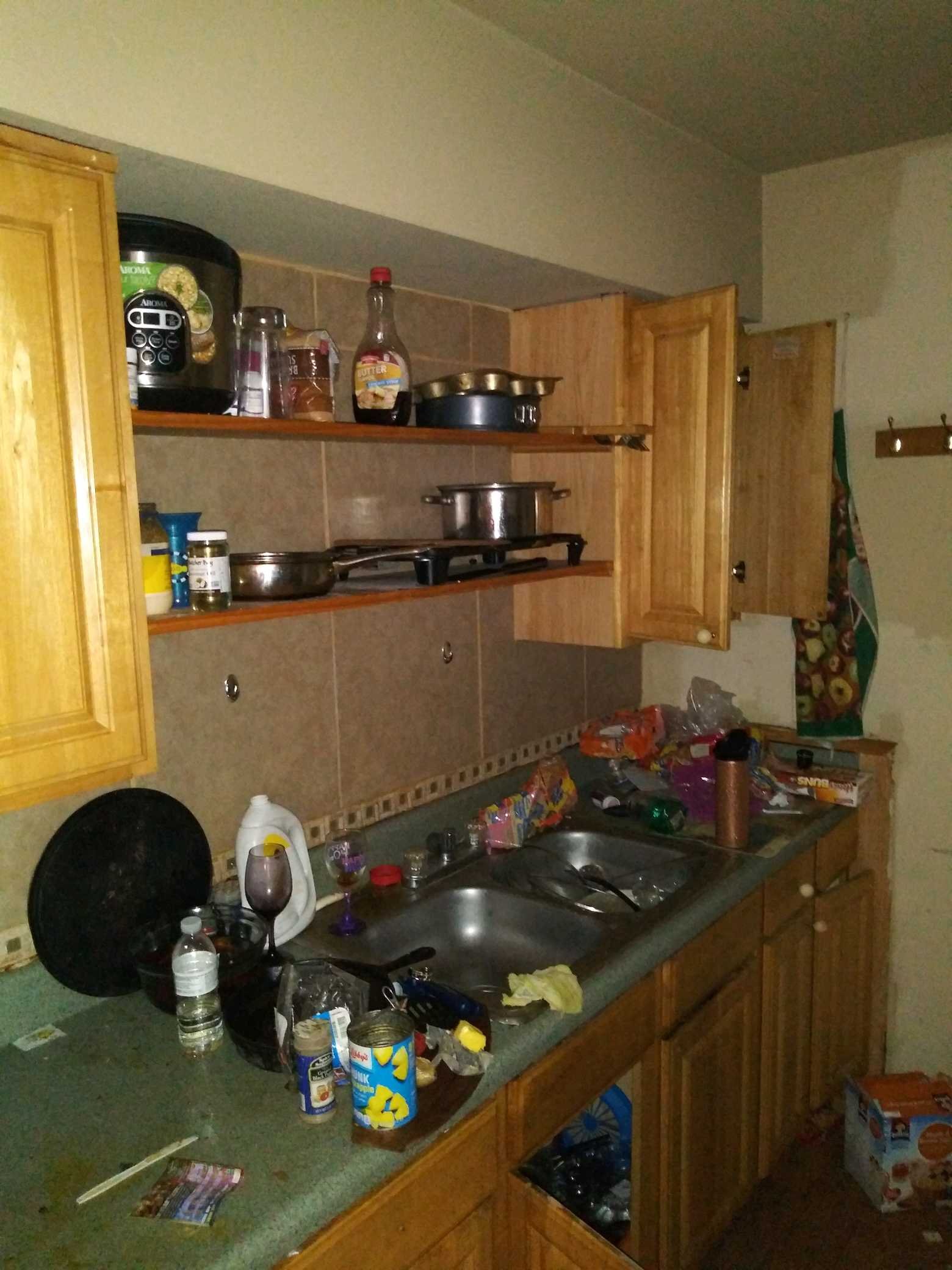
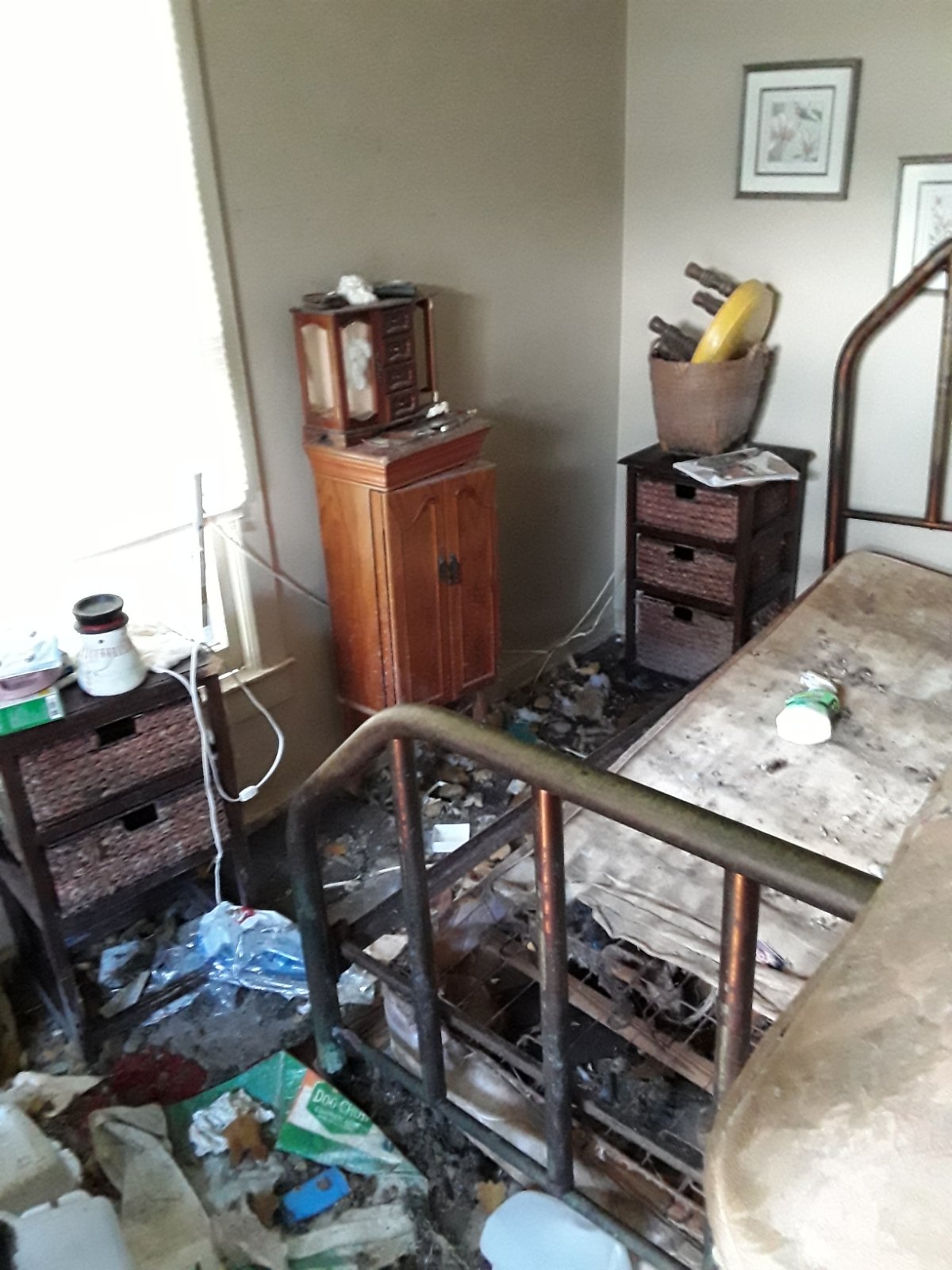
    Kitchen contents in the estate cleanout New Port Richey FL planning guide
    A real household cleanout starting condition documented before removal. Every estate has a different combination of keepsakes, paperwork, furniture and restricted material.

    Estate Cleanout New Port Richey FL: The Short Answer

    First, confirm who is legally authorized to make decisions. Next, secure records, valuables and family belongings. Then separate keep, transfer, sale and removal items before requesting a cleanout estimate. Junk Busters can review approved removal work in New Port Richey and nearby published service areas when the property address, photos, access conditions and material types are provided.

    Estate Cleanout New Port Richey FL Step 1: Confirm Authority

    Do not begin by filling bags or moving furniture to the curb. Start by identifying the person who can authorize decisions for the property and its contents. In Florida, that person may be an owner, surviving owner, court-appointed personal representative or another properly authorized party. Family relationships alone do not resolve every ownership question.

    The Florida Bar’s consumer guide to probate explains that a personal representative has duties that include identifying, gathering, valuing and safeguarding probate assets. Junk Busters does not provide legal advice, determine ownership or decide what may be discarded. If authority or ownership is unclear, pause the cleanout and ask a qualified Florida probate attorney.

    2. Secure Documents, Keys and Personal Records

    Search desks, drawers, file cabinets, safes, closets, books, bags and coat pockets before removal begins. Set aside wills, deeds, vehicle titles, tax records, insurance documents, account information, identification, military records, photographs, keys and contact lists. Medication and sensitive personal information should also be secured.

    Create one clearly marked document zone away from the removal path. A hauling crew should never be expected to identify legal papers or decide whether an old envelope, notebook or storage box has personal value.

    3. Photograph Rooms Before Sorting

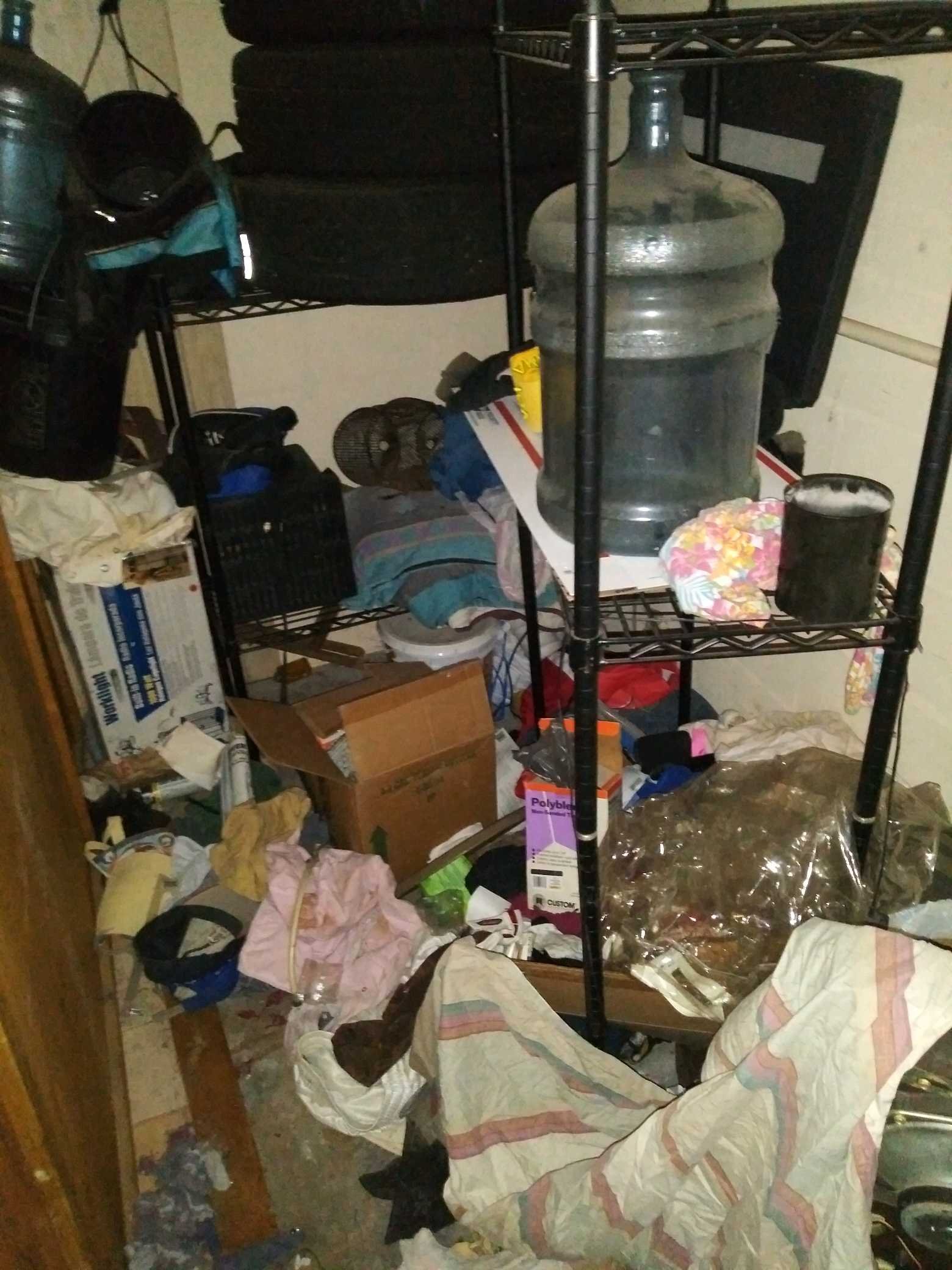
    Take wide photographs of every room, closet, garage bay, shed, patio and storage area. These images establish the starting condition and help distant family members understand the scope. Photograph especially valuable, disputed or damaged items separately.

    When requesting estate cleanout New Port Richey FL help, send wide views rather than a few close-ups. Include stairs, narrow hallways, gates and the route to the legal loading area. For a broader planning list, use the estate cleanout checklist for families and executors.

    4. Make Four Clear Categories

    • Keep: belongings staying with the family or property.
    • Transfer: items going to a named person or another address.
    • Sell or donate: items handled separately through confirmed arrangements.
    • Remove: items the authorized decision-maker has approved for hauling.

    Physically separate these groups whenever possible. Colored labels help, but a dedicated keep room is safer than mixing approved and unapproved items together. Donation acceptance depends on the organization, condition and current demand, so do not assume every usable item will be accepted.

    5. Check the Entire New Port Richey Property

    Estate cleanout New Port Richey FL projects frequently grow because a garage, attic access, shed or packed closet was not included in the original description. Walk the full property and make a room-by-room inventory. Note bulky furniture, appliances, mattresses, exercise equipment, safes, tools and dense building material.

    Homes in New Port Richey and Holiday can have tight driveways, gated communities, carports, sheds or limited trailer placement. Share the exact address so access can be evaluated rather than guessed. Review the dedicated junk removal page for New Port Richey and Holiday for local service information.

    6. Separate Hazardous and Restricted Materials

    Paint, solvents, pesticides, fuels, oils, batteries, propane cylinders, pressurized containers, medical waste and unknown liquids should never be hidden inside bags or boxes. The U.S. Environmental Protection Agency’s household hazardous waste guidance explains that some household products can be toxic, corrosive, reactive or capable of catching fire and require special disposal care.

    Keep products in their original labeled containers when it is safe to do so, and never mix chemicals. Confirm current instructions with the appropriate local government program or qualified specialist. An ordinary estate cleanout estimate should not be treated as approval to load undisclosed hazardous material.

    Estate Cleanout New Port Richey FL Step 7: Consider Stages

    A smaller home with clear instructions may be ready for one coordinated removal. A full inherited property with unresolved family decisions may work better in stages: documents and keepsakes first, family transfers second, sale or donation arrangements third and approved removal last.

    Staging reduces rushed decisions and gives the authorized person time to review each area. It is particularly useful when the family lives outside Pasco County or when a realtor, attorney or property manager is coordinating access.

    Estate Cleanout New Port Richey FL Pricing Factors

    The price can be affected by the volume and weight of material, number of rooms, stairs, carrying distance, disassembly, loading access, unusually heavy items and disposal requirements. A few photographs cannot always reveal what is behind stacked boxes or inside cabinets.

    Junk Busters’ process is straightforward: the crew reviews the visible approved scope, discusses the price before loading and begins only after the customer agrees. See the junk removal pricing overview and the guide to factors that affect junk removal cost.

    9. Coordinate the Cleanout With the Property Timeline

    Cleanout, deep cleaning, repairs, inspection, appraisal and listing photography are separate steps. Avoid scheduling contractors or photography before the cleanout scope and timing are confirmed. If the property has a closing, court, lease or insurance deadline, provide the actual date when requesting service, but do not assume availability until scheduling is confirmed.

    Realtors, investors, HOAs and managers can also review property cleanout support for real-estate professionals and foreclosure and closing cleanout planning.

    Estate Cleanout New Port Richey FL Step 10: Send Complete Details

    • The exact New Port Richey or Holiday property address
    • Wide photos of every approved removal area
    • A list of large, heavy or unusual items
    • Stairs, gates, elevators and parking restrictions
    • What stays, what transfers and what may be removed
    • Any hazardous or restricted materials
    • The authorized onsite or remote decision-maker
    • Your preferred date and any firm property deadline

    Complete information produces a more useful conversation than a single close-up photo or a general statement that the house is “full.” To discuss the physical cleanout, call 727-888-6225 or send the property details to Junk Busters.

    Estate Cleanout New Port Richey FL Questions

    Who can authorize an estate cleanout in New Port Richey?

    The property owner, a court-appointed personal representative or another properly authorized party may be able to approve the work. Because every estate is different, confirm legal authority before belongings leave the property.

    Can I arrange an estate cleanout from another state?

    An authorized person may be able to coordinate remotely when access, approval, communication and the removal scope are clear. Share complete photos and establish one decision-maker before scheduling.

    Does the family need to move everything outside first?

    No. For an approved full-service cleanout, designated items can be removed from safely accessible rooms, garages and storage areas. The crew still needs a clear path and accurate information about stairs, distance and heavy items.

    Can furniture and appliances be included?

    Approved furniture and appliances may be reviewed as part of the scope. Appliances should be empty, and the size, condition, weight and removal route should be disclosed. See furniture and appliance removal information.

    How long does an estate cleanout take?

    Timing depends on the size of the home, amount and weight of material, sorting decisions, access and whether the job requires one load, multiple loads or staged work. Wide photos and a complete room list help establish a realistic plan.

    Does Junk Busters serve areas near New Port Richey?

    Junk Busters reviews jobs within its published service areas across Pasco, Pinellas and Hillsborough counties. Availability depends on the exact address, schedule, access and material type. Check the current service-area guide before scheduling.


    Need help with an approved estate cleanout in New Port Richey or Holiday? Review full-service estate cleanout options, then call 727-888-6225 with the address, photos, access details and project timeline.
  • Property Cleanout Checklist for Tampa Bay Realtors and Investors

    Property Cleanout Checklist for Tampa Bay Realtors and Investors

    A real estate cleanout should be scheduled around possession, authorization, inspections, repairs, photography, walkthroughs and closing—not treated as an isolated hauling appointment.

    This Tampa Bay checklist helps realtors, investors, property managers and authorized owners prepare a vacant house, rental, foreclosure or acquired property for the next transaction step. It covers physical cleanout planning and does not replace legal, title, contract or possession advice.

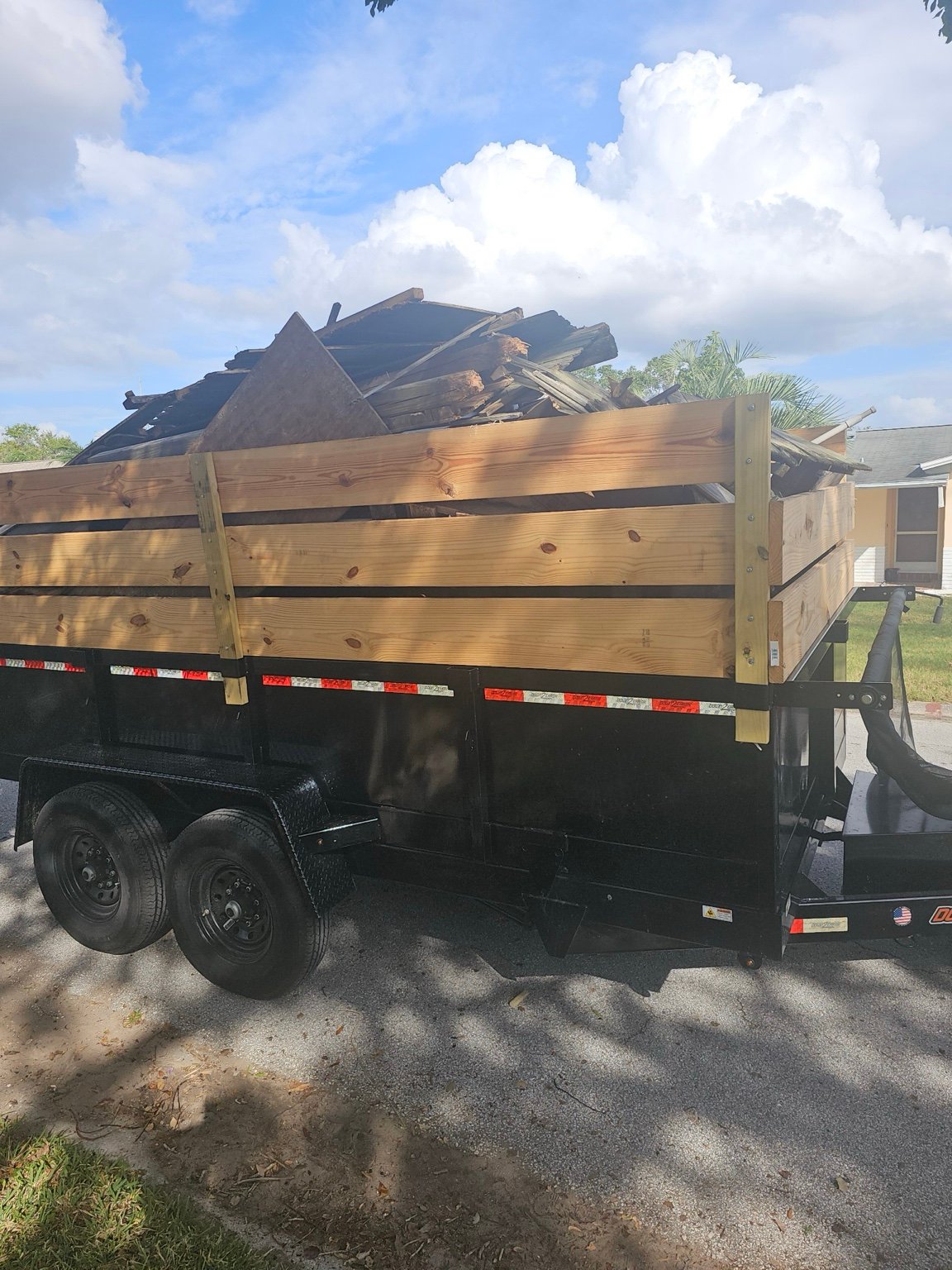
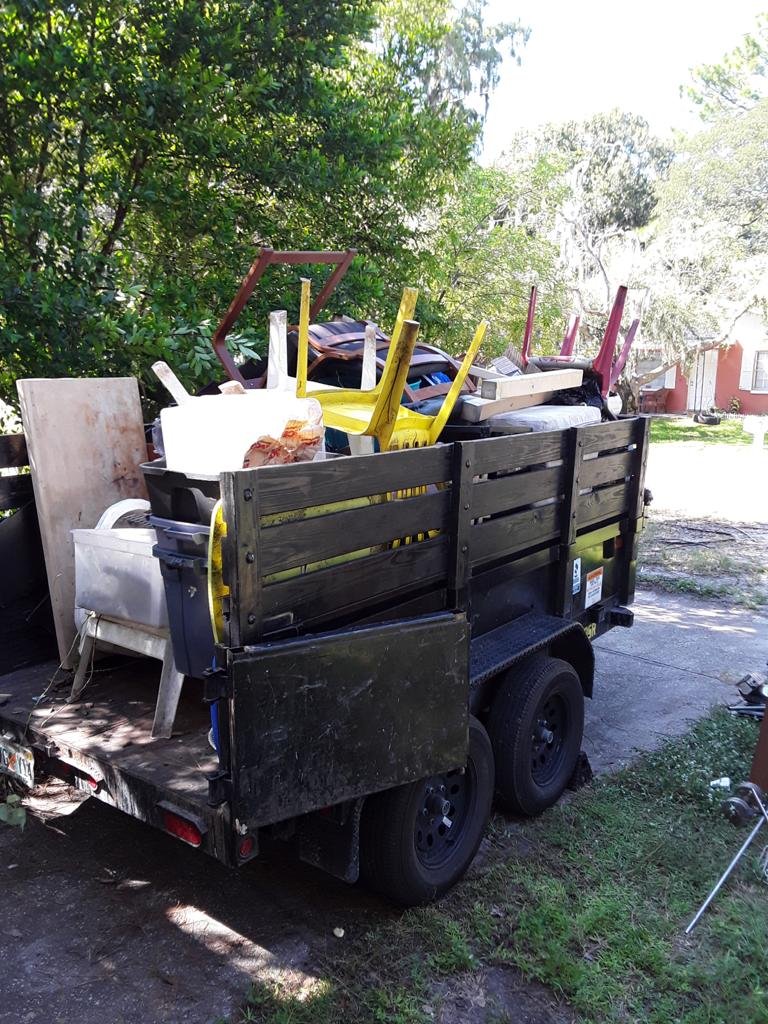
    Loaded Junk Busters trailer carrying appliances furniture and household items
    An authentic Junk Busters property-cleanout load containing approved appliances, furniture and household items.

    1. Confirm Who Controls the Property on Service Day

    Identify the owner, buyer, seller, landlord, executor, lender representative, property manager or other party authorized to provide entry and approve removal. The person scheduling service should know whether the cleanout occurs before closing, after closing, after lawful possession or during an authorized renovation period. Junk Busters does not determine ownership or remove disputed belongings.

    2. Match the Cleanout to the Transaction Timeline

    Write down the important dates: inspection, appraisal, photography, contractor access, final walkthrough, closing and tenant or owner turnover. Leave time between removal and the next property event. Cleaning, repairs, staging, landscaping and inspections are separate work and should not depend on an unconfirmed hauling time.

    3. Photograph Every Removal Area

    Send wide photos of each room, closet, garage, shed and approved exterior area. Include close-ups only after the complete volume is visible. Photograph stairs, narrow doors, gates, elevators, long carrying routes and the legal loading location. Hidden rooms or last-minute piles can change the labor, capacity and price.

    4. Create a Written Keep, Transfer and Remove List

    Separate contents into three groups: items that remain with the property, items being transferred or claimed, and items approved for removal. Secure keys, documents, medication, firearms, valuables, photographs and anything that may be disputed. For large projects, mark rooms or create a simple photo inventory so the direction remains clear.

    5. Identify Connected, Built-In or Restricted Material

    Appliances should be empty and disconnected from water, gas or electrical service unless a different arrangement is confirmed. Built-in cabinets, attached fixtures and structural material are not ordinary loose contents. Paint, chemicals, fuel, propane cylinders, batteries, medical waste, asbestos or suspected asbestos, needles and other hazardous conditions require advance disclosure and may need specialized providers.

    Review the What We Remove guide before including questionable materials in the scope.

    6. Coordinate Keys, Gates and Building Rules

    Provide the lockbox or key process, gate instructions, parking requirements, floor number and loading area. Condominiums, managed communities and commercial buildings may restrict elevators or service hours. The customer or authorized representative should secure those approvals before the appointment.

    7. Plan Large Properties in Logical Stages

    Whole-property cleanouts may require more than one load or scheduled stage. A practical sequence is to secure documents and keep items, clear primary access, remove approved contents by room, then review garages and exterior areas. Do not mix undecided belongings into an active removal area.

    8. Request a Scope Review With Complete Information

    • Complete property address
    • Authorized contact and role
    • Transaction or possession status on the requested date
    • Wide photos of every removal area
    • Written keep, transfer and remove instructions
    • Heavy, restricted or damaged materials
    • Keys, gates, elevators, parking and loading rules
    • Important property-event dates

    Use the eviction, foreclosure and real estate closing cleanout service page for full authorization and scope requirements. Call 727-888-6225 or send the property details to request review.

    Related High-Value Cleanout Resources

    For inherited homes, use the estate cleanout checklist. Landlords and managers can use the rental-property turnover checklist. Compare garage and property cleanouts, hoarding cleanout help and the Tampa Bay pricing guide.

    Realtor and Investor Cleanout Questions

    When should a realtor schedule a cleanout before listing photos?

    Request the cleanout early enough to confirm authorization, scope and availability, then leave time for cleaning, repairs and staging before photography. Do not schedule another vendor around a removal time that has not been confirmed.

    Can an investor arrange a foreclosure or acquired-property cleanout?

    Junk Busters can review the project when the investor or authorized representative controls access and can approve removal of the identified contents. Send complete photos, known hazards and the next property deadline.

    Can a closing cleanout be completed the same day it is requested?

    Same-day service is not guaranteed. Availability depends on the route, crew, job size, access and material type. Provide early notice and the complete scope so the request can be evaluated accurately.

    Who decides whether belongings can be removed?

    The authorized property decision-maker must identify what may be removed. Junk Busters does not determine ownership, possession rights or the status of disputed belongings.

    How is a whole-property cleanout priced?

    Price can be affected by volume, weight, number of rooms, labor, stairs, carrying distance, disassembly, access and disposal requirements. The visible scope and price should be reviewed before loading. Read the junk removal cost-factor guide.


    Preparing a property for sale, closing or renovation? Call 727-888-6225 with the address, authorization, wide photos, access instructions and next deadline.

  • How Couch Removal Works in Tampa Bay: Stairs, Apartments and Access

    How Couch Removal Works in Tampa Bay: Stairs, Apartments and Access

    You do not have to drag a couch to the curb before requesting junk removal. For an approved full-service job, Junk Busters can review removal from a house, apartment, condo, garage or other accessible area after the furniture and carrying route are documented.

    The fastest way to plan couch removal in Tampa Bay is to send wide photos of the couch, the room, every doorway, the stairs or elevator and the final path to the loading area. Dimensions and access matter as much as the couch itself.

    Bed frame dresser and household items before Junk Busters furniture removal in Tampa Bay
    Authentic furniture-removal starting condition. Photograph the furniture and the entire carrying path before requesting service.

    1. Measure the Couch and the Tightest Opening

    Measure the couch length, depth and height. Then measure the narrowest doorway, hallway turn, stair landing or elevator opening on the route out. Include removable feet, reclining sections, sleeper mechanisms or attached pieces in the description. Photos help, but measurements can reveal a problem that one camera angle misses.

    2. Show the Complete Carrying Route

    A clear photo of the couch is not enough when it is upstairs, behind a narrow turn or inside a managed building. Photograph the path from the room to the exterior loading point. Mention stairs, railings, low ceilings, gates, long carries, limited parking and any surface that requires extra care.

    Use the broader junk removal pickup preparation checklist to organize access before the appointment.

    3. Confirm Apartment or Condo Rules

    Apartment and condominium properties may limit service hours, require gate access, reserve elevators or direct vendors to a specific loading zone. The customer should confirm those requirements before scheduling. Provide the building name, floor, unit access instructions and the legal loading location when requesting a quote.

    4. Clear Small Items and Protect What Stays

    Remove lamps, wall decorations, small tables, rugs, toys and other loose objects from the carrying route. Secure pets and keep children away from the work area. Clearly identify furniture that stays so there is no confusion when several similar pieces are in the room.

    5. Explain the Couch Type and Condition

    Tell Junk Busters whether the item is a sectional, sleeper sofa, reclining couch, loveseat or ordinary fixed-frame sofa. Mention broken frames, exposed springs, water damage, pests, severe contamination or anything that could change safe handling. Conditions involving biohazards or specialized remediation require appropriate professionals and must be disclosed in advance.

    6. Do Not Force Unsafe Disassembly

    Some feet, backs or sectional pieces are designed to separate. Other frames are not. Do not cut, break or dismantle a couch without understanding its construction and the hazards involved. Describe the tight access so any disassembly requirement can be reviewed as part of the scope.

    7. Combine the Couch With Other Approved Items

    A couch pickup may be combined with mattresses, tables, cabinets, boxes or other approved household contents after the complete volume and material mix are reviewed. Send photos of everything at the beginning. Adding items after arrival can change the required space, labor and price.

    Compare the full furniture and appliance removal service and review the What We Remove guide for items that need advance discussion.

    8. Understand What Affects Couch Removal Pricing

    The price can be affected by furniture size and weight, stairs, elevator access, disassembly, carrying distance, parking, additional items and loading conditions. The visible scope and price should be explained before loading. Review the Tampa Bay pricing guide for the factors used to evaluate a job.

    What to Send for a Couch Removal Quote

    • Complete service address
    • Wide photos of the couch and surrounding room
    • Approximate couch measurements and type
    • Photos of doors, hallways, stairs or elevator
    • Floor number and building access rules
    • Parking or loading-zone instructions
    • Photos of every additional removal item
    • Preferred date and timing restrictions

    Call 727-888-6225 or send photos and job details. Service depends on the exact address, schedule, route, access and item review. Check the published Tampa Bay service areas before requesting a specific time.

    Couch Removal Questions

    Who removes an upstairs couch in Tampa Bay?

    Junk Busters can review upstairs couch removal within its published service areas when the furniture size, stair turns, doorway measurements and complete carrying route are provided. The scope must be confirmed before service.

    Do I need to move the couch outside first?

    No. For approved full-service work, the crew can remove designated furniture from a safely accessible interior area. Clear loose objects from the route and explain any access restriction before the appointment.

    Can a sectional or sleeper sofa be removed?

    Sectionals, sleeper sofas and reclining couches can be reviewed after their size, weight, detachable sections and access route are documented. These pieces may require more labor or space than an ordinary loveseat.

    Can you remove a couch from an apartment or condo?

    Service may be possible when the customer arranges building entry, elevator use, approved service hours, parking and loading access. Confirm the property’s rules before scheduling.

    Can I add a mattress or other furniture to the pickup?

    Often, yes, after the added items and total volume are reviewed. Send complete photos before service so the loading plan and price reflect the actual scope.


    Need a couch removed without dragging it to the curb? Call 727-888-6225 with photos of the furniture and the complete route out.

  • Storage Unit Cleanout Checklist for Tampa Bay

    Storage Unit Cleanout Checklist for Tampa Bay

    A storage unit cleanout is easier when access, authorization, facility rules and the full contents are confirmed before removal day.

    This guide helps Tampa Bay renters, families, landlords and authorized representatives plan a storage-unit cleanout without hiding the difficult parts of the job. Before scheduling, confirm who controls the unit, what must stay, what can leave and when the facility allows loading.

    Loaded Junk Busters trailer carrying appliances furniture and household items
    A loaded Junk Busters trailer after an approved property cleanout. Storage-unit contents vary, so photos and an item list should be reviewed before scheduling.

    1. Confirm That You Can Authorize the Cleanout

    The customer arranging service should have the right to access the unit and approve removal of its contents. If a family member, estate representative, landlord or property manager is coordinating the job, identify that person before loading begins. Junk Busters does not decide ownership and should not remove disputed belongings.

    2. Ask the Storage Facility About Loading Rules

    Facilities may control gate hours, vehicle entry, elevator use, loading zones, cart availability and where a truck or trailer may stop. Ask whether management needs advance notice and whether the unit is upstairs, indoors or far from the nearest legal loading point. A long carrying route or elevator changes the labor plan.

    3. Photograph the Entire Unit

    Take wide photos from the doorway and additional photos that show hidden corners, shelving, large furniture and the route from the unit to the loading area. A close-up of one item cannot show the total volume. If boxes are stacked to the ceiling, photograph the depth and explain what is known about their contents.

    For broader preparation steps, use the junk removal pickup checklist.

    4. Separate What Stays From What Goes

    Documents, photographs, keys, valuables and items being transferred to another location should be removed or clearly separated before the crew arrives. Labels can help, but a physical separation is safer when a unit contains both keep and removal piles. Do not rely on an unclear verbal description after loading has started.

    5. Identify Heavy or Restricted Material

    Tell Junk Busters about appliances, safes, exercise equipment, toolboxes, machinery, tile, concrete or other unusually dense material. Also disclose paint, chemicals, fuels, propane cylinders, batteries, pressurized containers, medical waste or unknown liquids. Some material may require a specialized provider or separate disposal plan. Review the What We Remove guide before mixing questionable items into the scope.

    6. Decide Whether the Unit Needs One Visit or Stages

    A small, organized unit may be straightforward. A full unit with mixed keep, donate, transfer and removal decisions may need sorting before hauling. Larger scopes can require staged work or more than one load. Send the full picture at the beginning so the proposed plan reflects the actual job.

    7. Understand the Price Factors

    Storage-unit cleanout pricing can be affected by volume, weight, carrying distance, stairs, elevators, disassembly, loading time and disposal requirements. The visible scope and price should be reviewed before loading. Read the Tampa Bay junk removal pricing guide and the detailed explanation of junk removal cost factors.

    8. Send Complete Details Before Requesting a Time

    • Storage-facility name and complete address
    • Unit size, floor and distance from the loading area
    • Wide photos of the complete contents
    • Large, heavy or restricted items
    • Gate, elevator, parking and service-hour rules
    • What stays, what transfers and what is approved for removal
    • Preferred timing and any firm facility deadline

    Service depends on the exact address, schedule, access and material review. Check the published Tampa Bay service areas, then call 727-888-6225 or send photos and project details.

    Storage Unit Cleanout Questions

    Can Junk Busters clean out a storage unit in Tampa Bay?

    Junk Busters can review authorized storage-unit cleanouts within its published service areas when the contents, facility access, loading route and material types are provided. Availability must be confirmed for the exact address and requested timing.

    Do I need to be present during the cleanout?

    The authorized customer or representative should establish access, removal approval and clear instructions. Whether that person must remain onsite depends on the facility’s rules and the arrangement confirmed before service.

    Can you remove furniture and appliances from a storage unit?

    Approved furniture and appliances may be included after their size, condition, weight and carrying route are reviewed. Appliances should be empty, and any special handling issue should be disclosed. See furniture and appliance removal.

    What if I need to keep some of the contents?

    Remove keep items first when possible. If that is not practical, create a clearly separated keep area and have an authorized decision-maker available. Mixed or disputed belongings should not be loaded.

    Can a storage unit be cleaned out before a facility deadline?

    Share the actual deadline when requesting service, but do not assume availability. Timing depends on the route, crew schedule, unit access, job size and material type. Earlier notice and complete photos make the request easier to evaluate.

    Need the crew to handle the approved lifting, loading and hauling? Review full-service storage unit cleanout services in Tampa Bay.


    Ready to discuss a storage unit cleanout? Call 727-888-6225 with the facility address, unit photos and access rules. You can also compare garage and property cleanout services.

  • 12-Yard vs. 20-Yard Dump Trailer: Which Size Do You Need?

    12-Yard vs. 20-Yard Dump Trailer: Which Size Do You Need?

    Choose between a 12-cubic-yard and 20-cubic-yard dump trailer by comparing the actual material, expected volume, weight, loading plan and available placement area—not by size alone.

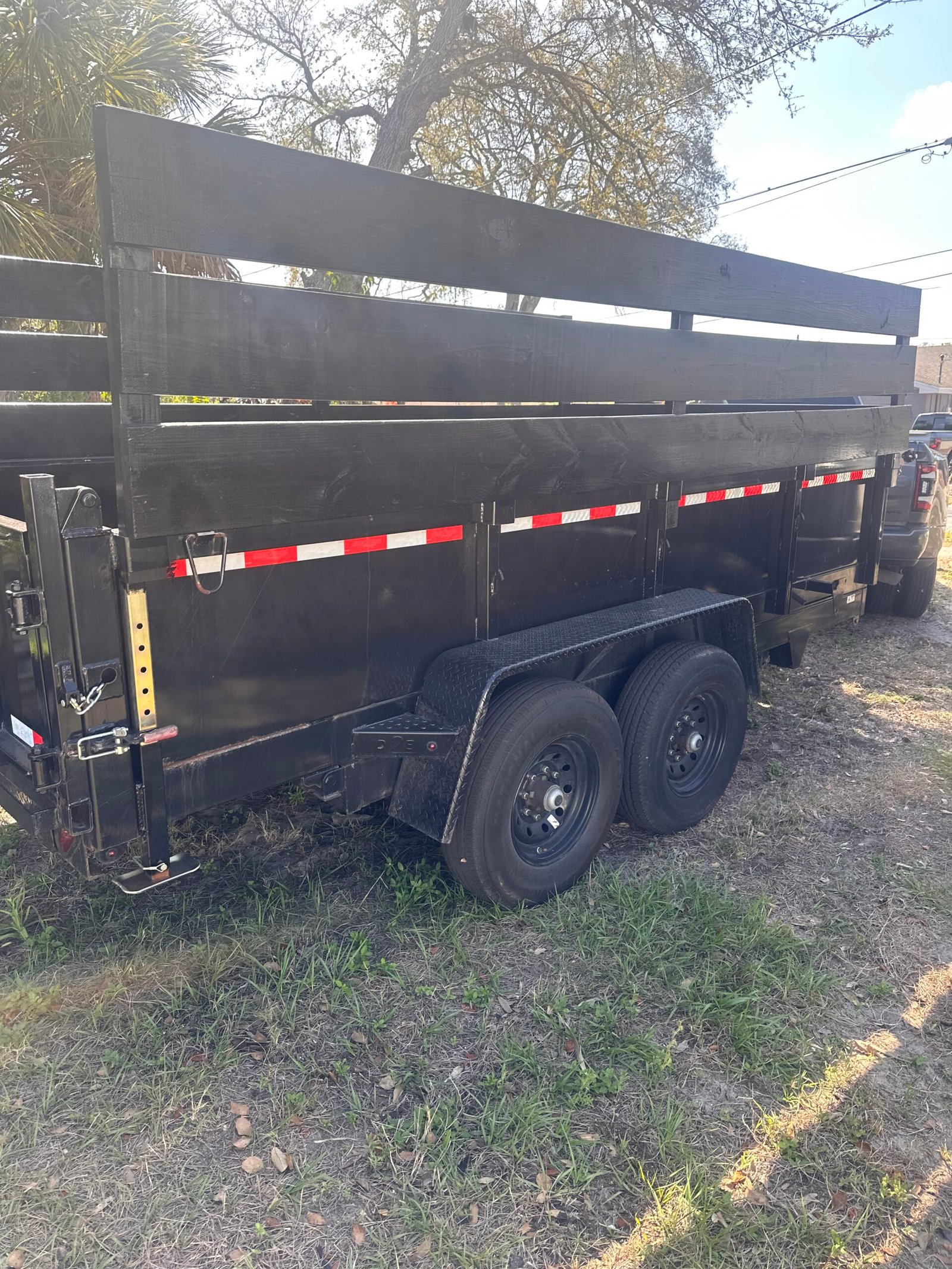
    Junk Busters offers an approximately 12-cubic-yard trailer measuring 6 × 12 × 6 feet and an approximately 20-cubic-yard trailer measuring 7 × 14 × 6 feet for approved Tampa Bay projects. The larger trailer provides more volume, but the right choice still depends on material weight, driveway access, placement conditions, rental timing and disposal requirements.

    Quick Comparison: 12-Yard vs. 20-Yard Dump Trailer

    Planning factorApproximately 12 cubic yardsApproximately 20 cubic yards
    Trailer dimensions6 × 12 × 6 ft7 × 14 × 6 ft
    Best starting pointSmaller approved cleanouts and projects with limited volumeLarger approved cleanouts or projects needing more volume
    Placement reviewConfirm delivery route and usable surfaceConfirm wider and longer placement area plus delivery route
    Weight planningMaterial type still mattersExtra volume does not remove weight limits

    When the 12-Cubic-Yard Trailer May Fit

    The approximately 12-yard trailer can be a practical starting point when the project is clearly defined and the expected volume is moderate. Examples may include an approved garage sorting project, household clutter, a smaller move-out, light renovation material or bulky items that the customer plans to load over the rental period.

    Do not choose only by the number of rooms. One room with dense tile or construction material may require more weight planning than several rooms of light household contents. Send photographs and identify the material before the trailer is scheduled.

    When the 20-Cubic-Yard Trailer May Fit

    The approximately 20-yard trailer offers additional volume for approved projects with a larger amount of furniture, household contents, yard material or light remodeling debris. It may reduce the risk of running out of space on a larger cleanout, but only when the delivery route and placement area can accommodate its 7 × 14 × 6 ft dimensions.

    A larger container is not permission to overload dense material. Concrete, roofing, soil, tile and similar material can reach safe or legal weight limits before the visible space is full. Discuss these materials in advance.

    Volume and Weight Are Different

    Cubic yards describe volume. They do not tell you how heavy the completed load will be. Cardboard, furniture and household clutter can occupy substantial space without weighing the same as concrete, shingles, dirt or tile. Mixing unknown heavy material into a general load can change handling and disposal requirements.

    • Estimate how much space the material occupies.
    • Identify dense material separately.
    • Do not load liquids or undisclosed restricted material.
    • Keep the load within the agreed fill and weight requirements.
    • Ask before mixing construction debris with household contents.

    Check the Placement Area Before Delivery

    The delivery route and final placement area must be reviewed before scheduling. Consider gates, parked vehicles, low branches, overhead wires, roof overhangs, soft ground, slopes, irrigation, septic components and community rules. The customer should identify property restrictions and obtain any permission required for the proposed placement.

    Send photographs showing the street approach, driveway or proposed surface and the surrounding clearance. Trailer placement remains subject to actual access and site conditions.

    Match the Trailer to the Loading Plan

    Think through how the material will reach the trailer. A long carry, stairs, tight backyard route or managed property may change the practical plan even when the volume estimate is accurate. Break down approved bulky items only when it can be done safely, distribute material as directed and keep all contents within the agreed load boundaries.

    Materials That Need Advance Discussion

    Paint, chemicals, fuels, medical waste, propane cylinders, ammunition, asbestos or suspected asbestos and other hazardous materials may not be accepted and can require a specialized provider. Concrete, roofing, soil, tile and other dense material require advance review. Use the what-we-remove guide as a starting point, but confirm the specific load before delivery.

    What to Send for a Trailer Recommendation

    • Complete delivery address
    • Photographs of the material
    • Estimated volume and main item types
    • Photographs of the delivery route and placement surface
    • Requested delivery and pickup timing
    • Any dense, restricted or unusual material

    Review the main Tampa Bay dump trailer rental guide for service details, then send the project information.

    Dump Trailer Size Questions

    How do I know whether I need a 12-yard or 20-yard dump trailer?

    Compare the visible material volume, weight, delivery route and placement space. Send wide photographs and identify dense debris. Junk Busters can review the project details, but the customer remains responsible for accurately describing the load.

    Is a 20-yard trailer always better for a home cleanout?

    No. The 20-yard option provides more volume, but a smaller project or restricted placement area may fit the 12-yard option better. Material weight and access can matter more than total volume.

    Can I fill the entire trailer with concrete, shingles or soil?

    Do not assume that dense material can fill the visible container. Concrete, roofing, soil and tile can reach weight limits before the trailer looks full and must be discussed before delivery.

    Can a dump trailer be placed in a narrow driveway?

    Placement depends on the trailer dimensions, delivery approach, surrounding clearance and surface conditions. Send photographs and measurements of the proposed area so access can be reviewed; placement is not guaranteed.

    Who rents 12-yard and 20-yard dump trailers in Tampa Bay?

    Junk Busters offers approximately 12- and 20-cubic-yard customer-loaded dump trailer options for approved projects in published Pasco, Pinellas and Hillsborough County service areas. Call 727-888-6225 to discuss current availability, material and placement.

    Request the Right Trailer for Your Project

    Check the Tampa Bay service-area hub and call 727-888-6225 with the address, photographs, material, estimated volume and preferred dates. If you want the crew to handle loading instead, compare full-service junk removal.

  • Rental Property Cleanout Checklist for Tampa Bay Landlords

    Rental Property Cleanout Checklist for Tampa Bay Landlords

    A rental-property cleanout moves faster when the landlord or property manager confirms authorization, documents the condition, separates anything that must remain and gives the removal crew clear access instructions.

    This checklist helps Tampa Bay landlords, property managers and authorized representatives prepare apartments, houses and managed properties for junk removal after a move-out, turnover or approved property clearing. It focuses on practical cleanup planning—not lease enforcement, abandoned-property law or legal advice.

    1. Confirm You Are Authorized to Remove the Items

    Before scheduling removal, the property owner or authorized manager should determine which belongings may legally be removed and whether any notice, storage or documentation requirement applies. Junk Busters does not decide ownership. The customer or authorized representative identifies what stays and what is approved for hauling.

    Keep leases, tenant records, identification documents, keys and other sensitive paperwork separate from the removal area. If the status of an item is uncertain, leave it out of the approved scope until the responsible party has made a decision.

    2. Photograph Every Room and Access Route

    Take one wide photograph of each room, garage, patio, storage area or curbside pile. Then photograph unusually heavy items, appliances, dense debris and anything that may need disassembly. Include the route from the items to the loading area: stairs, elevators, gates, narrow hallways, parking restrictions and long carrying distances can all affect labor and scheduling.

    Clear photographs help define the visible scope, but the crew still reviews the actual job before loading. If the amount or material changes, confirm any pricing difference before work continues.

    3. Separate What Stays From What Goes

    Use a simple system that the crew can understand immediately. Move “keep” items into one protected room, label them clearly or remove them from the property before the appointment. Group approved removal items by room when possible. Do not rely on verbal directions for a mixed pile containing valuables, records or property-maintenance equipment.

    • Remove keys, remotes, mail and personal records.
    • Protect fixtures, tools and supplies that belong to the property.
    • Empty drawers, cabinets and appliances unless their contents are also approved.
    • Identify anything requiring special handling or disassembly.
    • Choose one authorized person to approve scope changes.

    4. Identify Restricted or Dense Materials Early

    Paint, chemicals, fuels, propane cylinders, medical waste, ammunition, asbestos or suspected asbestos and other hazardous materials require advance disclosure and may need a specialized provider. Concrete, roofing, tile, soil and other dense material can reach weight limits before a trailer appears full. Never hide restricted material inside bags, boxes, furniture or cabinets.

    Review the Tampa Bay what-we-remove guide and describe anything unusual when requesting service.

    5. Prepare Furniture and Appliances

    Tell the crew about sleeper sofas, large sectionals, safes, commercial equipment or furniture that may not fit through the normal exit. Refrigerators, freezers and other appliances should be empty. Appliances connected to electricity, water or gas should be safely disconnected before removal unless another arrangement is explicitly confirmed.

    For item-specific planning, see furniture and appliance removal in Tampa Bay.

    6. Confirm Building, Community and Parking Rules

    Apartment, condominium and managed-community cleanouts may require elevator reservations, loading-zone approval, vendor access, gate codes, certificates supplied by vendors or restricted service hours. The property representative should confirm the applicable rules before scheduling. Share the unit number, floor, elevator location, parking plan and on-site contact so the route can be evaluated.

    7. Decide Whether the Turnover Needs One Visit or Stages

    A small move-out may fit into one pickup. A whole-house rental, furnished apartment, garage, shed or heavily cluttered property may require multiple loads or staged visits. Start with the areas that block repairs, inspections, pest service, photography or contractor access. The garage and property cleanout service explains how broader projects are reviewed.

    8. Send the Details Needed for a Useful Scope Review

    Provide the complete address, photographs, an item summary, approximate volume, access conditions and preferred date. Mention whether the property is occupied, vacant, gated or managed by an association. If a lockbox or remote entry is involved, confirm who can authorize removal and approve changes.

    Use the junk removal pickup preparation guide for a general checklist, or visit the contact page to send project details.

    9. Confirm the Visible Scope and Price Before Loading

    The crew should review the visible removal areas and explain the price before approved loading begins. Pricing can depend on volume, weight, labor, access, carrying distance and disposal requirements. Compare the junk removal pricing guide and the detailed article on what affects junk removal cost in Tampa Bay.

    Rental Property Cleanout Questions

    Can a landlord schedule junk removal after a tenant moves out?

    Yes, when the landlord or authorized property representative has determined that the items are legally approved for removal. Junk Busters handles the agreed lifting, loading and hauling but does not decide ownership or legal disposal rights.

    Can you remove furniture from an upstairs apartment?

    Upstairs furniture removal can be reviewed when the carrying route is safe and the item, stairs, hallway and building rules are described in advance. Send photographs and identify elevators, narrow turns or disassembly needs before scheduling.

    Can a rental cleanout be completed before repairs or listing photos?

    Yes. The authorized representative can prioritize rooms or removal areas needed for repairs, inspections, cleaning or photography. Timing depends on the project size, access, material and current route availability.

    What should a property manager send for a cleanout quote?

    Send the complete address, wide photographs of every removal area, the main item types, approximate quantity, floor or unit information, access restrictions and preferred timing. Identify dense or restricted material separately.

    Does Junk Busters provide same-day rental cleanouts in Tampa Bay?

    Same-day service may be available when the crew route, load capacity, material, building access and project size can be accommodated. Call early at 727-888-6225 with photographs and the complete address; availability is not guaranteed.

    Request a Rental Property Cleanout Review

    Junk Busters reviews approved rental-property cleanouts across published service areas in Pasco, Pinellas and Hillsborough counties. Check the Tampa Bay service-area hub, then call 727-888-6225 or send the property details.

  • How to Prepare for a Junk Removal Pickup in Tampa Bay

    How to Prepare for a Junk Removal Pickup in Tampa Bay

    A junk removal appointment moves faster when the items, access route and decision-maker are ready before the crew arrives. This Tampa Bay preparation checklist helps homeowners, renters, families, landlords and property managers define the job clearly without doing the heavy lifting themselves.

    How Do I Prepare for a Junk Removal Pickup?

    Start by separating what stays from what goes, photograph the complete removal area, identify heavy or restricted materials, and clear a safe path between the items and the loading area. Send the address, item list, photos and access details before scheduling. For approved full-service work, you generally do not need to carry bulky items outside.

    1. Decide What Stays Before the Crew Arrives

    Uncertainty slows a cleanout and can create expensive mistakes. Remove important documents, medication, jewelry, keys, photographs, electronics and personal keepsakes from the work area. If several people are making decisions, choose one authorized contact who can approve the removal scope and answer questions.

    For a garage, estate or whole-property project, create a clearly marked keep area that the crew should not enter. Do not mix approved removal items with belongings that still need family review. Families managing an inherited home can also use the Tampa Bay estate cleanout checklist.

    2. Photograph the Entire Removal Scope

    Wide photos are more useful than a close-up of one chair or box. Photograph each room, pile or outdoor area from more than one angle. Include unusually heavy items and the route the crew will use. If stairs, elevators, narrow hallways, gates or a long carrying distance are involved, show those conditions too.

    Photos support planning, but the actual visible amount, weight, access and material type still control the final scope. Review the junk removal pricing guide for the main factors that affect a quote.

    3. Make an Honest Item and Material List

    List large furniture, mattresses, appliances, boxes, loose household contents, outdoor items and debris separately. Identify concrete, tile, roofing, soil, brick or other dense material because weight limits can be reached before a trailer looks full. Tell the crew about anything unusually large, awkward or difficult to move.

    Use the What We Remove guide to review common pickup requests and materials that need advance discussion. Do not hide unknown liquids, chemicals or restricted material inside bags or boxes.

    4. Disconnect and Empty Appliances

    Refrigerators and freezers should be emptied of food. Washers, dryers and other appliances should be disconnected from water, gas or electrical service before removal unless another arrangement has been explicitly confirmed. Water lines should be drained and doors secured when practical. Never attempt utility work that requires a qualified professional.

    For bulky household items, review furniture and appliance removal in Tampa Bay and mention the floor level, doorway width and elevator access when requesting service.

    5. Clear a Safe Carrying Route

    Move vehicles away from the loading area when possible. Unlock gates, secure pets, improve lighting and remove tripping hazards from walkways. Keep children and bystanders away from the work path. Do not stack items in a way that could fall when the crew begins moving material.

    If the property has soft ground, low branches, steep slopes, limited parking or a narrow driveway, explain that before the appointment. Safe access and equipment placement must be reviewed rather than assumed.

    6. Confirm Building, Community and Parking Rules

    Condos, apartments, gated communities and commercial buildings may require visitor authorization, elevator reservations, loading-zone approval, certificates or limited service hours. Arrange those requirements before the crew is due. Provide the gate code, unit number and correct contact for entry without placing private access information in a public message.

    7. Prepare for Same-Day Junk Removal Requests

    If you need junk removed today, call early and send complete information immediately. Same-day service depends on the route, crew schedule, load capacity, access and material type; it is not guaranteed. A clear address, accurate photos and a complete item list help determine whether the request can be accommodated. Review the same-day junk removal guide for current planning requirements.

    8. Review the Scope and Price Before Loading

    Walk through the complete removal area with the crew or authorized contact. Confirm what stays, what goes and any areas that are off-limits. The visible scope and price should be explained before loading begins. If additional items are added, discuss the change before more work proceeds.

    Tampa Bay Junk Removal Preparation Checklist

    • Separate keep, donate, sell and remove items.
    • Secure documents, medication, valuables and keepsakes.
    • Take wide photos of every removal area.
    • List heavy, bulky or unusual materials.
    • Empty and safely disconnect appliances.
    • Clear walkways, doors, gates and loading access.
    • Reserve elevators or loading areas when required.
    • Secure pets and keep children away from the work path.
    • Confirm the authorized decision-maker.
    • Review the final visible scope before loading.

    Junk Removal Pickup Questions

    Do I need to move my junk to the curb?

    No. For an approved full-service project, the crew can remove designated items from safely accessible indoor or outdoor areas. Mention stairs, elevators, narrow halls and carrying distance before scheduling.

    Should I bag everything before junk removal?

    Small loose items may need to be boxed or bagged for safe handling, but furniture and other bulky items generally do not. Do not bag liquids, chemicals, sharp objects or unknown materials without discussing them first.

    What photos should I send for a junk removal quote?

    Send wide photos showing the full amount, additional angles, large or heavy items and the route to the loading area. Include stairs, elevators, gates or access restrictions that could affect the job.

    Can I add more items on pickup day?

    Ask before loading. Added volume, weight, labor or disposal requirements can change the scope and price. The crew must confirm that the additional material can be handled safely and legally.

    How do I schedule junk removal near me in Tampa Bay?

    Check the Tampa Bay service-area guide, then call 727-888-6225 or send the address, photos, item list and preferred date. Availability depends on the actual address, route and project details.

  • How Much Does Junk Removal Cost in Tampa Bay?

    How Much Does Junk Removal Cost in Tampa Bay?

    How Much Does Junk Removal Cost in Tampa Bay?

    Junk removal prices in Tampa Bay vary because a light couch, a packed garage and a load of dense remodeling debris require very different labor, capacity and disposal arrangements.

    There is no honest one-price answer without understanding the job. A useful estimate considers what is being removed, how much space it occupies, how heavy it is and how difficult it will be to load safely. Here are the seven factors customers should know before requesting a quote.

    1. The Amount of Space Your Items Use

    Many ordinary household-junk projects are evaluated partly by load volume. A few chairs use less capacity than a garage filled with furniture, boxes and loose clutter. Clear photos taken from several angles can help a removal company understand the approximate volume before arriving.

    2. Material Weight

    Volume and weight are not the same. Concrete, roofing, tile, soil and other dense materials can reach safe hauling or disposal limits while using relatively little space. Always identify heavy materials instead of describing everything simply as “junk.” Review our construction debris removal guide for additional planning information.

    3. Stairs, Elevators and Carrying Distance

    Items located beside an accessible driveway are easier to load than items on an upper floor, at the end of a long hallway or behind a building with limited parking. Stairs, elevator reservations, narrow turns, service entrances and long carrying routes can increase the labor and time involved.

    4. Disassembly and Special Handling

    Large desks, sectional couches, cabinets, hot tubs and outdoor structures may need to be taken apart before they can be moved. Disconnect appliances and empty hot tubs before the appointment unless another arrangement is explicitly confirmed. Learn more about furniture and appliance removal or hot tub and shed removal.

    5. Material Type and Disposal Requirements

    Different facilities accept different materials and may charge different fees. Paint, chemicals, fuels, medical waste, asbestos-containing material and other hazardous products may require specialized providers. Disclose unusual materials before scheduling rather than surprising the crew at the property.

    6. Property and Building Rules

    Condominiums, apartments, gated communities and commercial buildings may require entry authorization, elevator reservations, loading-zone approval or limited service hours. Customers should arrange those requirements in advance. Delays caused by unavailable access can change the time needed for the project.

    7. Whether the Scope Changes

    An estimate based on one room will not match a project that grows to include a garage and backyard. The crew should review the visible scope and explain the price before loading. If additional items are added, the difference should be discussed before more work continues.

    How to Get a More Accurate Junk Removal Estimate

    • Send clear photos of every removal area.
    • List unusually heavy or bulky items.
    • Mention stairs, elevators, gates and carrying distance.
    • Explain whether furniture or structures need disassembly.
    • Provide the complete address and preferred service date.
    • Separate hazardous or restricted materials from ordinary junk.

    Local Junk Removal Pricing Across Tampa Bay

    Customers comparing junk removal costs in Pasco, Pinellas or Hillsborough County can review local service information for New Port Richey and Holiday, Palm Harbor, Clearwater, and Tampa. Availability and price still depend on the actual address, materials and access.

    Tampa Bay Junk Removal Cost Questions

    Can a price be provided from photos?

    Photos can help with planning and an initial estimate, but the actual visible amount, weight, access and material type determine the final price.

    Is labor included in full-service junk removal?

    The agreed full-service scope generally includes the approved loading labor. Confirm stairs, disassembly and difficult access before work begins.

    Where can I review Junk Busters pricing?

    Visit the Tampa Bay junk removal pricing page, call 727-888-6225, or send the complete address, photos, materials, access details and preferred date.

    Does same-day junk removal cost more?

    Same-day timing does not replace normal pricing factors. The quote still depends on volume, weight, labor, access, material and disposal requirements. Availability must be confirmed before the job is scheduled.

    Why can roofing, concrete or tile cost more to remove?

    Dense materials can reach equipment and disposal weight limits before a trailer looks full. Identify roofing, concrete, brick, soil, tile and similar debris before scheduling so the load and disposal requirements can be evaluated.

  • Estate Cleanout Checklist for Tampa Bay Families and Executors

    Estate Cleanout Checklist for Tampa Bay Families and Executors

    Estate Cleanout Checklist for Tampa Bay Families and Executors

    An estate cleanout is easier to manage when decisions, important documents, access and removal work are organized in the correct order.

    Families may be balancing grief, probate responsibilities, property repairs, a sale or an out-of-area trip. Realtors and property managers may also need the home cleared before photography, inspection or contractor work. This checklist helps define the physical cleanout process without replacing legal, tax or estate advice.

    1. Confirm Who Can Make Decisions

    Before anything leaves the property, confirm who is authorized to approve removal. That may be an owner, executor, personal representative or another authorized party. When several family members are involved, choose one point of contact so the crew receives consistent instructions.

    2. Secure Important Documents and Valuables

    Separate wills, deeds, titles, tax records, financial documents, identification, photographs, jewelry, medication, keys and family keepsakes. Check drawers, file cabinets, safes, pockets and storage containers before removal begins. Do not rely on a hauling crew to decide what is valuable.

    3. Mark What Stays

    Use a clearly defined keep area or remove important belongings from the property before the cleanout. Colored tape or room-by-room instructions can help, but the decision-maker should walk through the property and resolve uncertainty before loading starts.

    4. Identify Donation, Sale and Removal Items

    Items intended for family, an estate sale or a specific charity should be handled separately. The junk-removal scope should contain only items that are approved for hauling. Donation acceptance varies by organization, condition and current demand, so arrangements should be confirmed rather than assumed.

    5. Inspect Every Area

    Include bedrooms, closets, kitchen cabinets, attic access, the garage, sheds, patios and storage spaces in the walkthrough. A project can grow significantly when forgotten areas are added at the last minute. Create a room list and note stairs, narrow hallways, gates or other access concerns.

    6. Separate Hazardous or Restricted Materials

    Paint, chemicals, fuels, propane cylinders, medical waste, asbestos-containing material and other hazards may require specialized disposal. Identify those products before the crew arrives. Do not hide restricted materials inside boxes or bags.

    7. Photograph the Scope

    Take wide photos of each removal area and close photos of unusually large or heavy items. Include the route between the items and the loading area. Photos help explain the project, but the on-site visible scope still controls final planning and pricing.

    8. Coordinate Property Access

    Confirm keys, alarm instructions, gate access, parking, elevators and building rules. If the decision-maker will not be present, establish who can provide entry and approve the work. Out-of-area families should discuss communication and authorization before scheduling.

    9. Schedule the Next Property Step

    Cleanout, cleaning, repairs, inspection and listing photography are different tasks. Leave enough time between them, especially for a large or multi-load property. Realtors and contractors should not be scheduled until the cleanout scope and completion timing are realistic.

    Estate Cleanout Help in Pasco, Pinellas and Hillsborough Counties

    Families searching for an inherited-home cleanout or executor cleanout can begin with the New Port Richey estate cleanout guide and review local scheduling information for New Port Richey and Holiday, Palm Harbor, Clearwater, and other communities on the Tampa Bay service-area hub.

    Estate Cleanout Questions

    Does everything need to be moved outside?

    No. For an approved full-service project, the crew can remove designated items from safely accessible rooms, garages and storage areas.

    Can an estate cleanout happen in stages?

    Yes. Large homes may be organized by room, priority area or load, especially when the family needs additional time to review belongings.

    Where is estate cleanout service available?

    Junk Busters serves approved routes across Pasco, Pinellas and Hillsborough counties. Review Tampa Bay estate cleanout services, visit the service-area hub, call 727-888-6225, or send the property address, wide photos, access details and preferred timing.

    How long does an estate cleanout take?

    Timing depends on the amount of material, number of rooms, sorting decisions, access, load capacity and whether the work is completed in one visit or stages. Wide photos and a room-by-room description help determine a realistic plan.

    Can I coordinate a Tampa Bay estate cleanout from another state?

    Yes, an authorized family member, executor, realtor or property manager may be able to coordinate remotely. Decision-making authority, property access, what stays and what is approved for removal must be clear before work begins.